Online Teacher Training vs. Traditional: Which Path is Right for You?
Choosing the right Teacher Training Courses is one of the most important decisions for aspiring educators.Both paths offer unique strengths, but understanding their differences ensures a smarter and more confident career move.
This blog breaks down everything you need to know—learning flexibility, cost, credentials, real classroom exposure, and even salary outcomes—so you can choose the best direction for your teaching journey.
What Is Online Teacher Training?
Online Teacher Training refers to structured educator-development programs delivered through virtual platforms. These programs help individuals gain skills in lesson planning, educational psychology, assessment strategies, classroom management, and subject-specific pedagogy—entirely from the comfort of home.
What Is Traditional Teacher Training?
Traditional teacher training is conducted on physical campuses, where learners attend in-person classes, workshops, and classroom observations. This mode is preferred by those who enjoy direct interaction, hands-on teaching demonstrations, and structured physical environments.
Key Difference Between Online and Traditional Teacher Training
Below is one major difference, as requested:
Difference: Flexibility of Learning
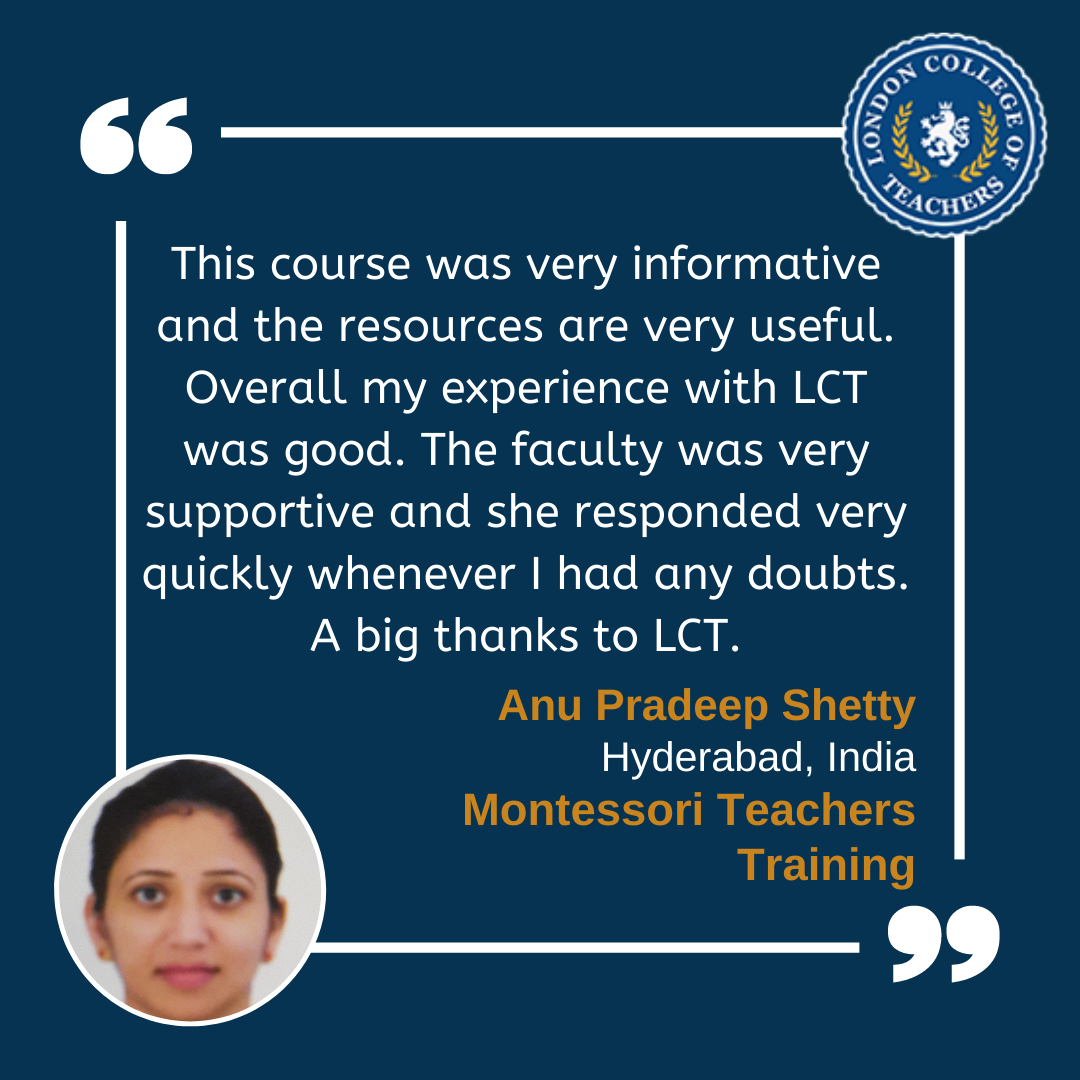
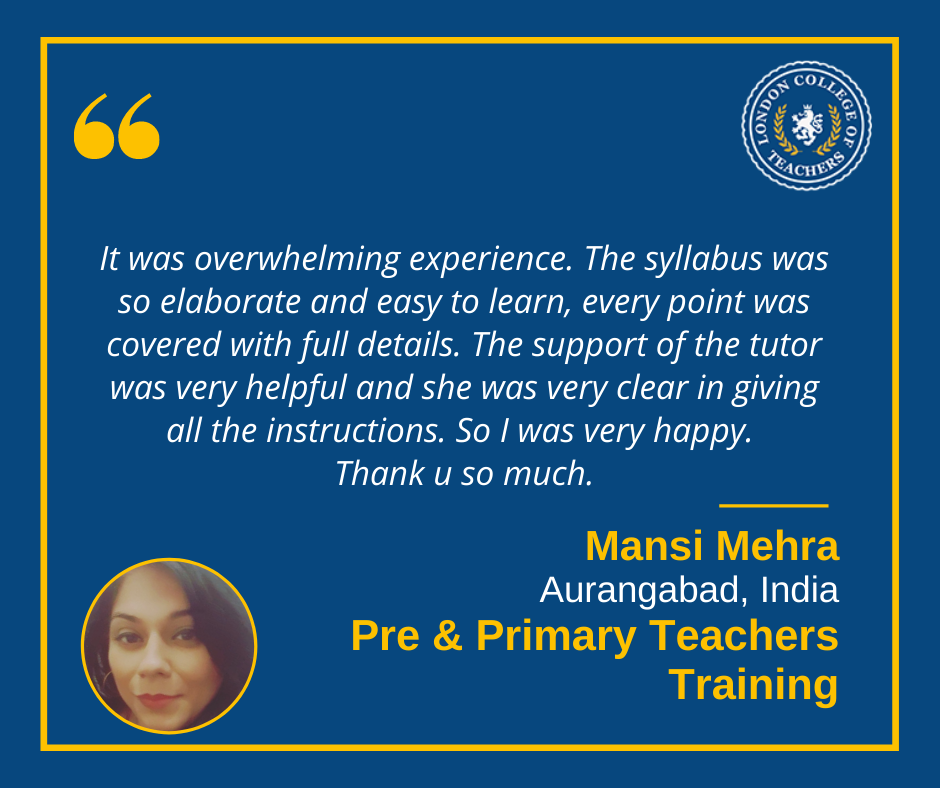
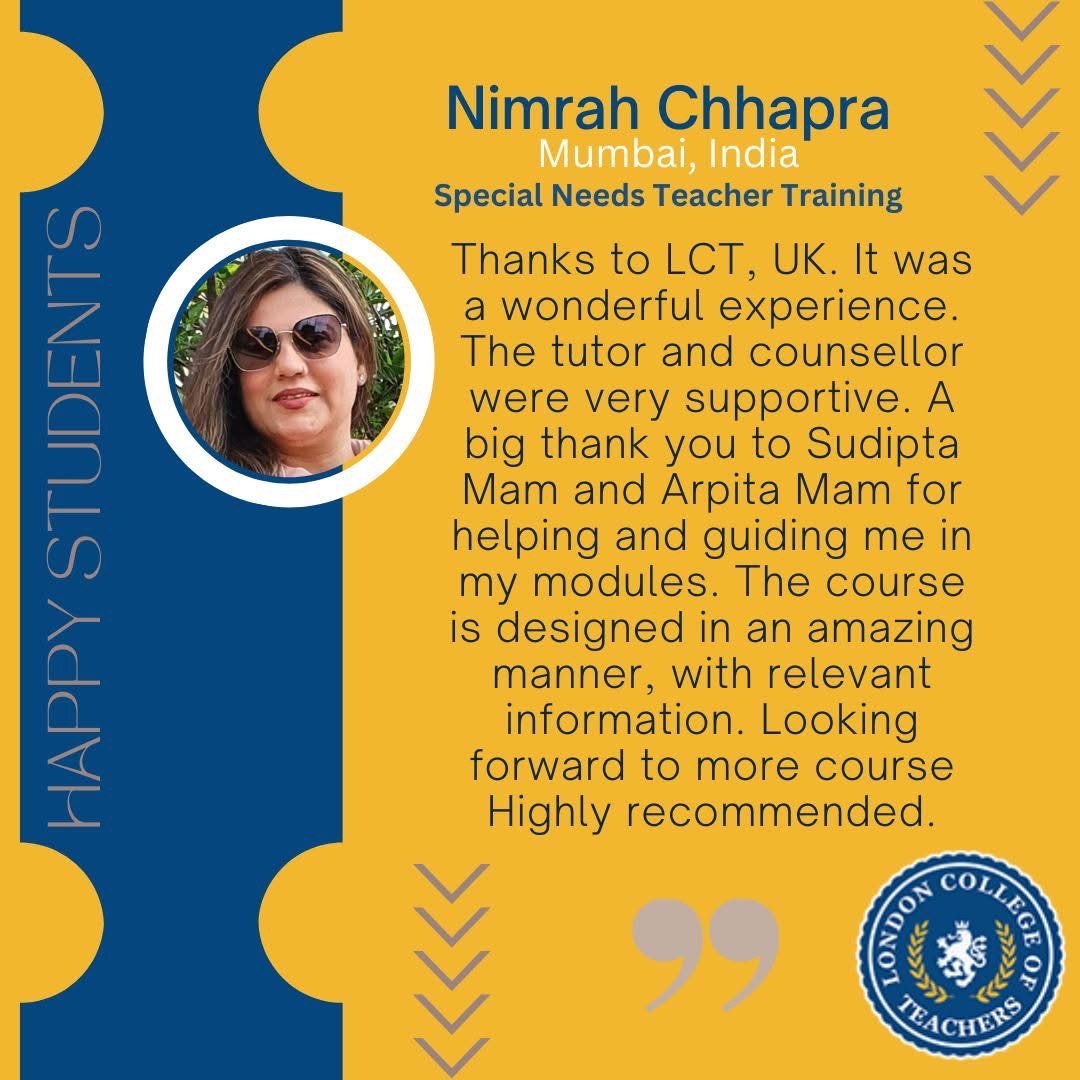
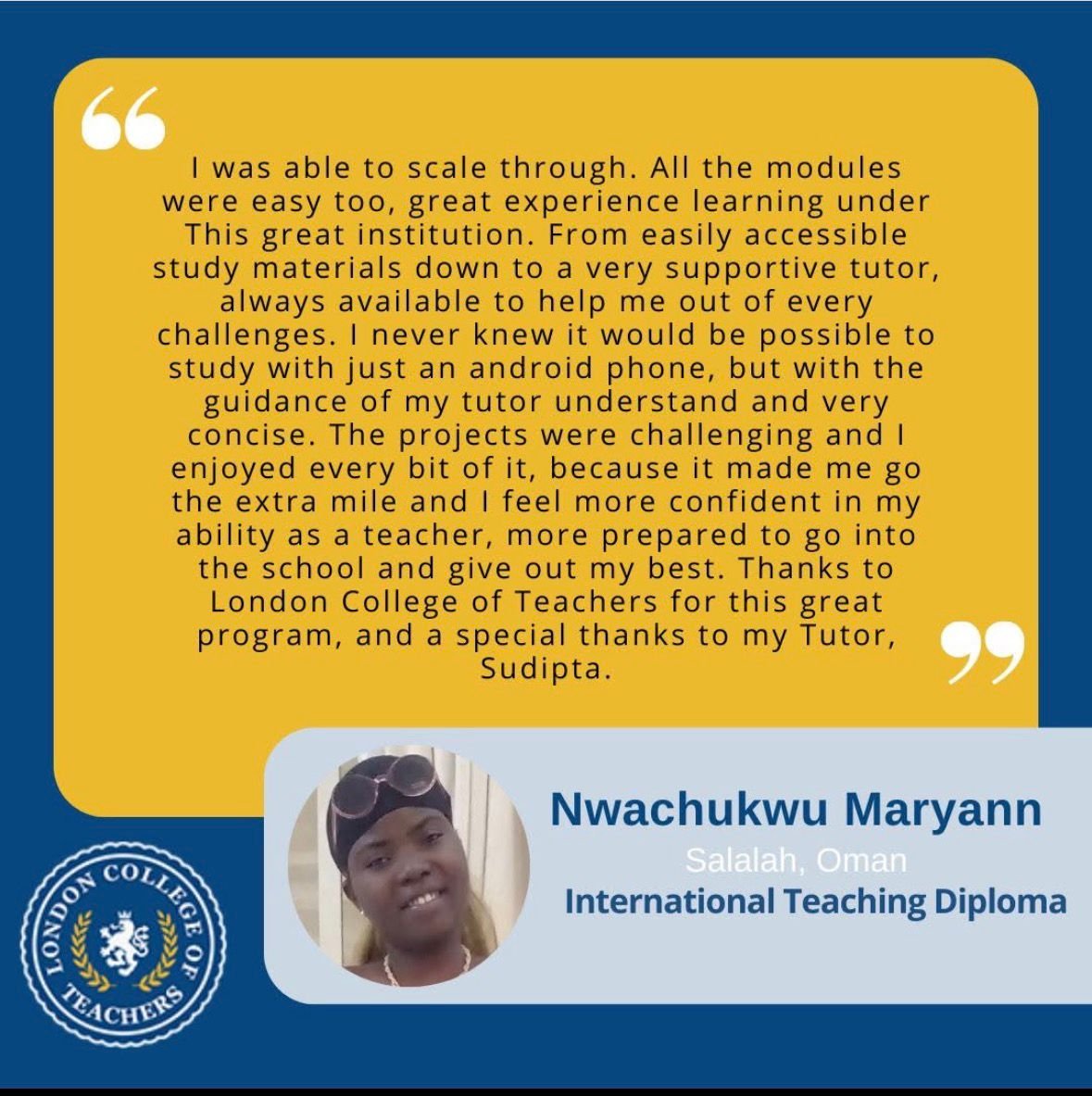
Online Teacher Training Courses offer unmatched flexibility—allowing learners to study from anywhere, access materials anytime, and balance work or family commitments.
Traditional training follows fixed schedules, requiring physical attendance and limiting adaptability.
Benefits of Online Teacher Training Courses
-
Learn at Your Own Pace
Online programs allow learners to revisit lessons, pause videos, and absorb content comfortably—important for working professionals or students.
-
Lower Financial Investment
Online courses reduce travel, accommodation, and miscellaneous expenses, making them more budget-friendly.
-
Global Certifications
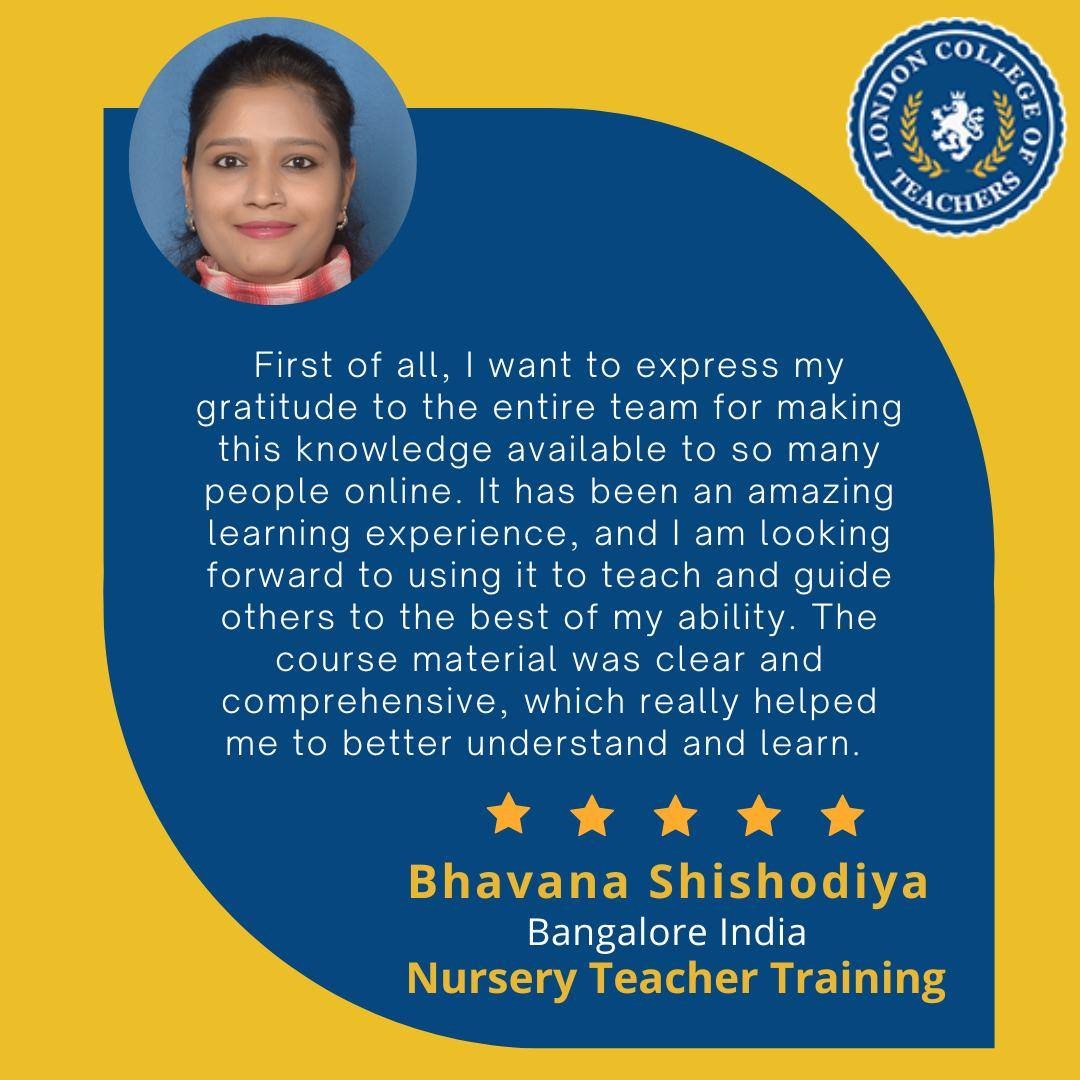
Many online platforms collaborate with international bodies to provide globally accepted certificates, increasing employability abroad.
-
Technology-Enhanced Skills
Online learning exposes educators to digital tools, LMS systems, and smart-class concepts, which modern schools highly value.

Benefits of Traditional Teacher Training
-
In-Person Engagement
Face-to-face interaction with trainers and peers builds communication and collaboration skills.
-
Real-Time Classroom Practice
Traditional programs may offer more opportunities for direct classroom teaching and supervision.
-
Structured Environment
Students who prefer routine and schedule-based learning often find traditional formats easier to follow.
Salary Comparison: Online-Trained Teachers vs. Traditionally Trained Teachers
Salary often depends on certification quality, school type, experience, and location—not necessarily the study mode. However, typical global trends include:
- Online-trained teachers starting at $25,000–$35,000/year in international online schools or ESL institutes.
- Traditionally trained teachers might earn $28,000–$40,000/year when joining physical schools, depending on certifications like B.Ed or PGCE.
- In high-demand areas (ESL, Early Childhood, SEN), specialized online certifications may lead to equal or even higher salaries than traditional routes.
- Experienced teachers with hybrid pathways (online + classroom internships) can earn $45,000–$60,000/year globally.


Which Path Is Best for You?
Choose Online Teacher Training if you:
- Need flexibility
- Prefer self-paced learning
- Want a budget-friendly option
- Wish to work internationally or online
Choose Traditional Teacher Training if you:
- Prefer classroom presence
- Learn better with physical guidance
- Want immersive in-person practice
Both paths can lead to strong teaching careers, especially when choosing a reputable Teacher Training Institute.
Q1. Are Online Teacher Training Courses recognized by schools?
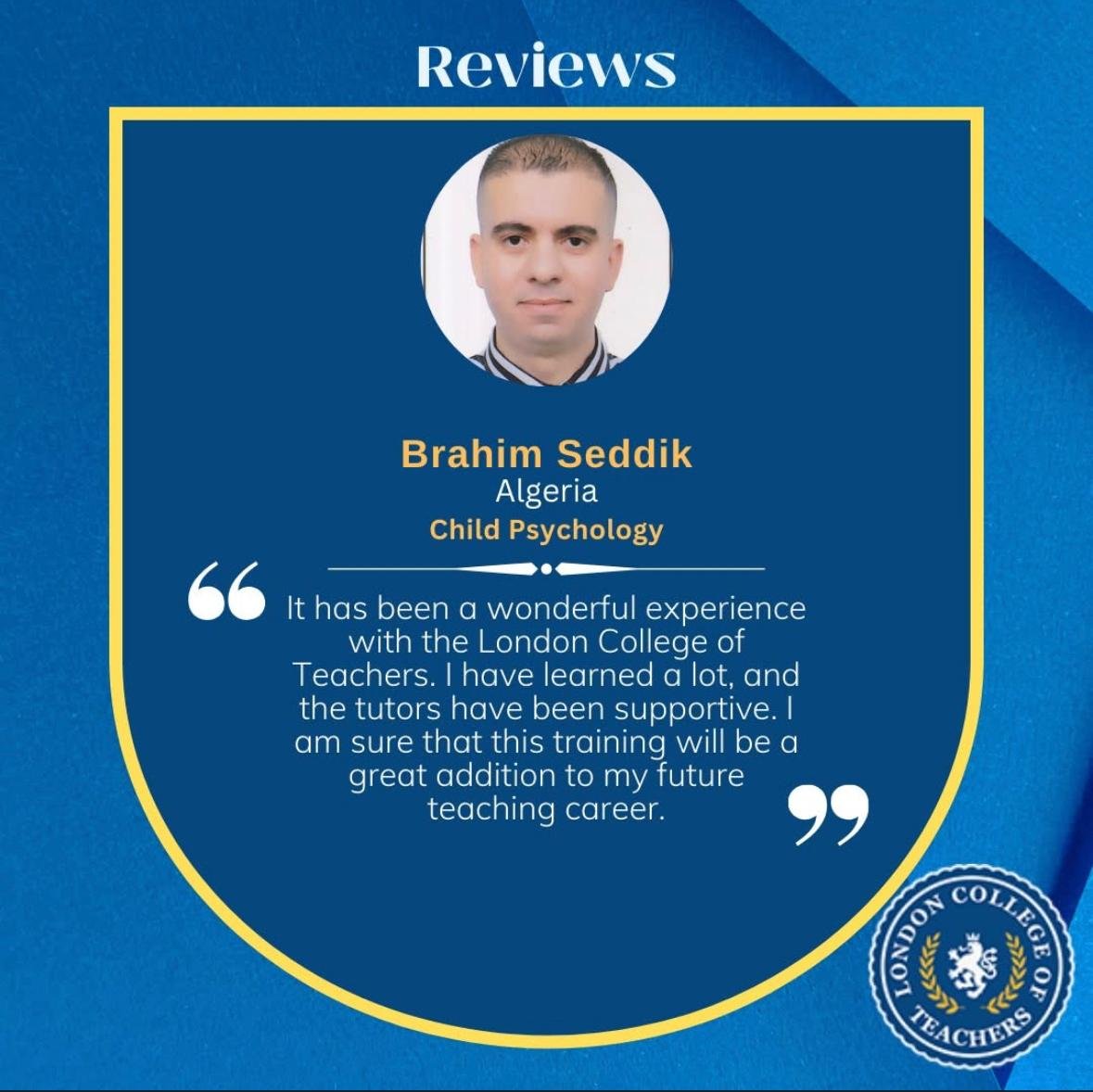
Yes, as long as the certification comes from an accredited and reputable institute, it is widely accepted globally.
Q2. Is online training harder than traditional programs?
Not necessarily. Online learning offers flexibility, but requires strong self-discipline and time management.
Q3. Can I get a teaching job after an Online Teacher Training Course?
Absolutely. Many schools now hire teachers with online certifications, especially for ESL, early childhood, and virtual teaching roles.
Q4. Does traditional training offer better career growth?
Career growth depends on your performance, additional qualifications, and experience—not just the mode of study.
Q5. Can I switch from online training to classroom teaching later?
Yes, many teachers start online and later transition into physical schools without issues.
Q6. Are online courses cheaper than traditional training?
Generally, yes. Online programs eliminate travel, campus fees, and accommodation costs.
Q7. Do online teacher training institutes offer internships?
Most reputed institutes provide virtual or partner-school internships as part of the curriculum.
Q8. Which option is better for beginners?
Both are suitable. Beginners who prefer flexibility and cost-effectiveness often choose online programs, while those wanting hands-on mentoring prefer traditional training.
Start Your Teaching Journey Today
A wide range of Teacher Training Courses, including Online Teacher Training Course programs and specialized modules, can be explored to match your professional goals. Comprehensive learning materials, flexible study modes, and globally recognized certifications are provided so that future educators can build their careers confidently and effectively.