Ace Your Special Ed Training: A Roadmap for Aspiring Teachers
Inclusive education is no longer an optional add-on—it is a global priority. Schools, learning centers, and education systems worldwide are actively working to ensure that every child receives the support they need to thrive. At the heart of this movement lies Special Educational Needs, a field dedicated to supporting learners with diverse cognitive, emotional, physical, and developmental challenges.
As awareness grows, so does the demand for trained professionals who understand inclusive teaching practices. This is where special needs education plays a transformative role.
This blog serves as a practical roadmap to help you understand, plan, and succeed in your journey toward becoming a skilled special education professional.
What Are Special Educational Needs?
Modern education systems emphasize early identification, individualized education plans (IEPs), and inclusive classrooms. Teachers trained through special educational needs training are equipped to adapt teaching methods, create supportive learning environments, and collaborate with families and specialists to ensure holistic development.
Research by global education bodies highlights that inclusive education benefits all learners by promoting empathy, flexibility, and differentiated instruction.
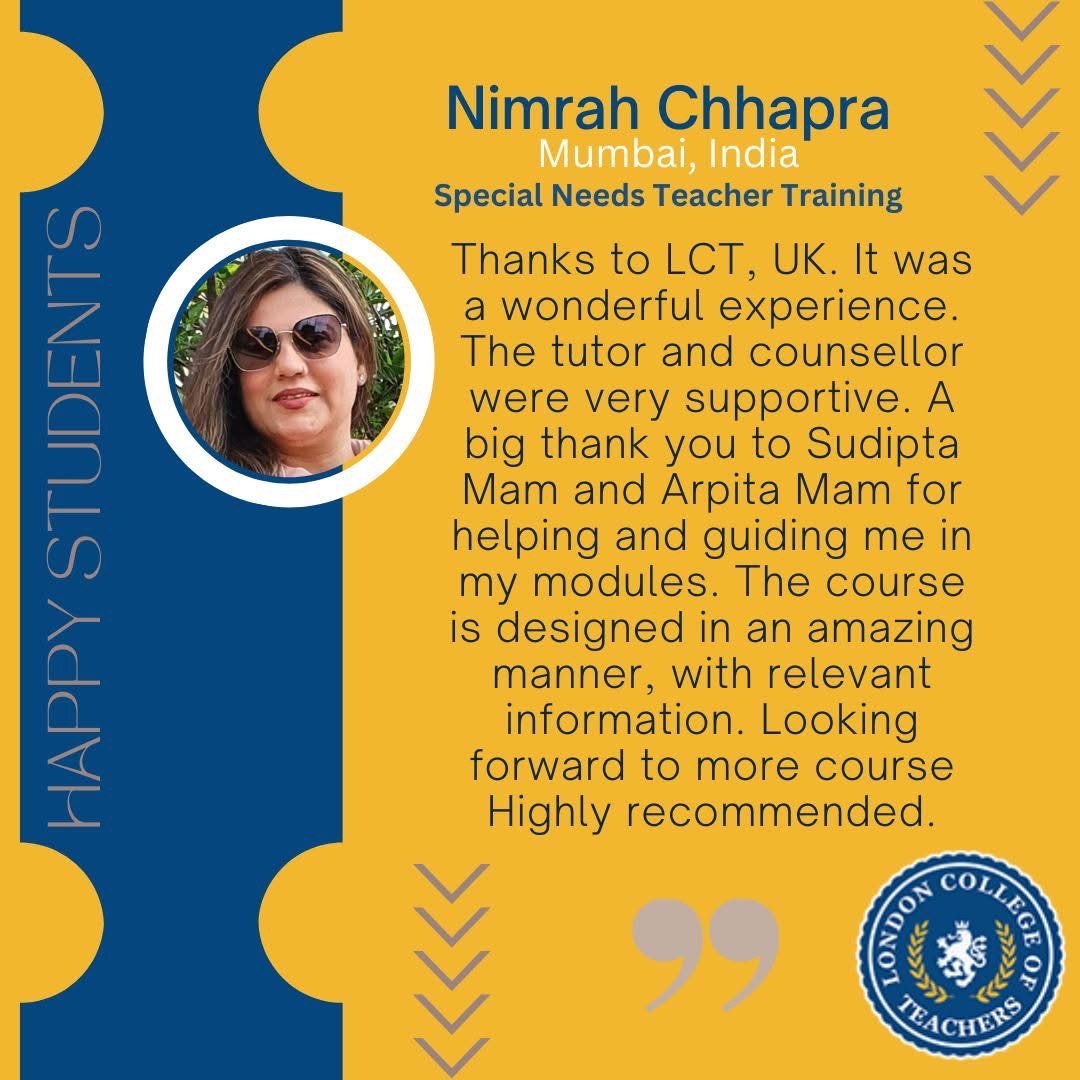
Why Special Educational Needs Training Matters for Aspiring Teachers?
Meeting the Needs of Inclusive Classrooms
Today’s classrooms are diverse. Teachers must be prepared to address varying learning styles, abilities, and challenges. Special educational needs courses provide structured knowledge on differentiation, assessment, and classroom management.
Expanding Career Opportunities
Professionals trained in Special Educational Needs are in demand across mainstream schools, special schools, early intervention centers, NGOs, and international education settings.
Making a Real Impact
Few teaching specializations offer the level of personal and social impact that special education does. With the right special educational needs training, educators can directly influence a child’s confidence, independence, and long-term success.
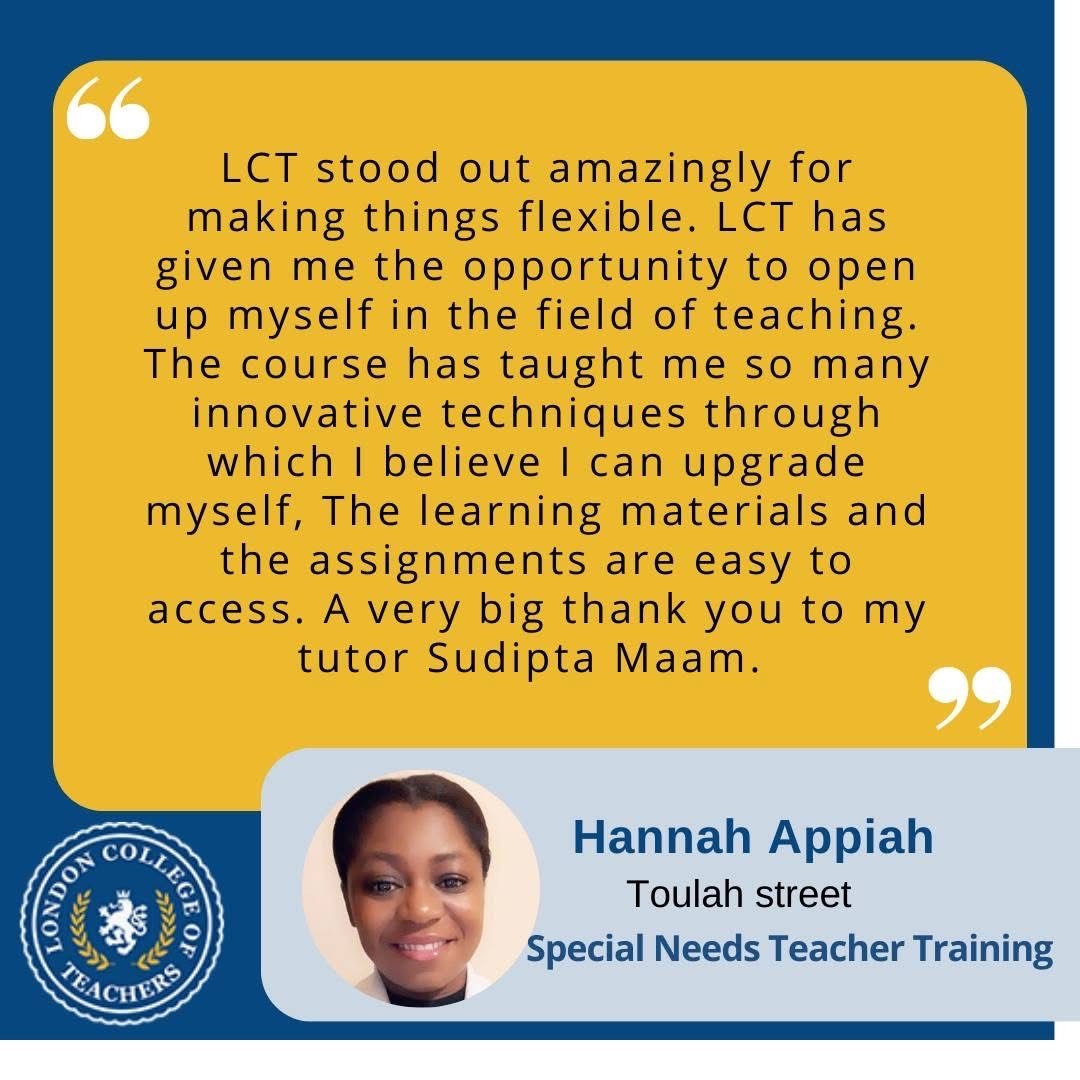
What You Learn in Special Educational Needs Courses?
High-quality special educational needs online courses and offline programs typically cover:
-
Foundations of special and inclusive education
-
Child development and learning differences
-
Autism spectrum conditions and neurodiversity
-
Behavior management and positive reinforcement
-
Differentiated instruction strategies
-
Assessment and individualized planning
-
Collaboration with parents and multidisciplinary teams
These modules ensure learners gain both theoretical understanding and practical, classroom-ready skills.
The Rise of Special Educational Needs Online Courses
Digital learning has reshaped teacher education. Special educational needs online courses allow learners to access professional training without geographical or time constraints.
Flexibility and Accessibility
Online programs are ideal for working teachers, parents, and learners who need flexible study schedules.
Globally Relevant Curriculum
Many certifications align with international standards and inclusive education frameworks used across multiple education systems.
Cost-Effective Professional Development
Compared to campus-based programs, special educational needs online courses often provide excellent value while maintaining academic depth and rigor.
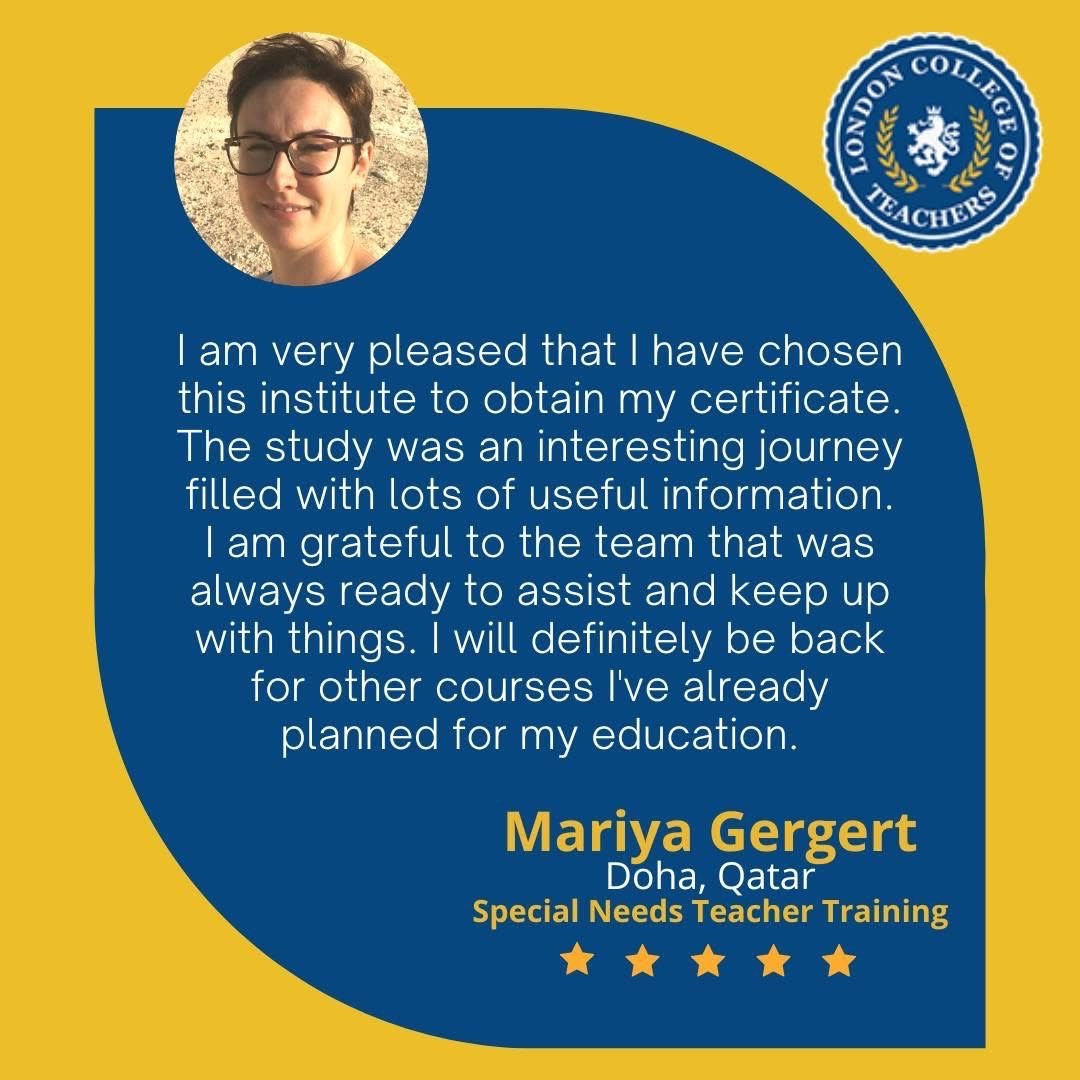
How to Ace Your Special Educational Needs Training?
Build a Strong Foundation
Understand the philosophy behind Special Educational Needs—inclusion, equity, and learner-centered education.
Engage Actively With Course Content
Treat special educational needs courses as applied training. Case studies and scenarios help bridge theory and practice.
Practice Observation and Reflection
Volunteering or classroom exposure strengthens understanding and reinforces concepts learned during special educational needs training.
Stay Updated With Research
Keeping up with child development and inclusive education research strengthens long-term professional competence.
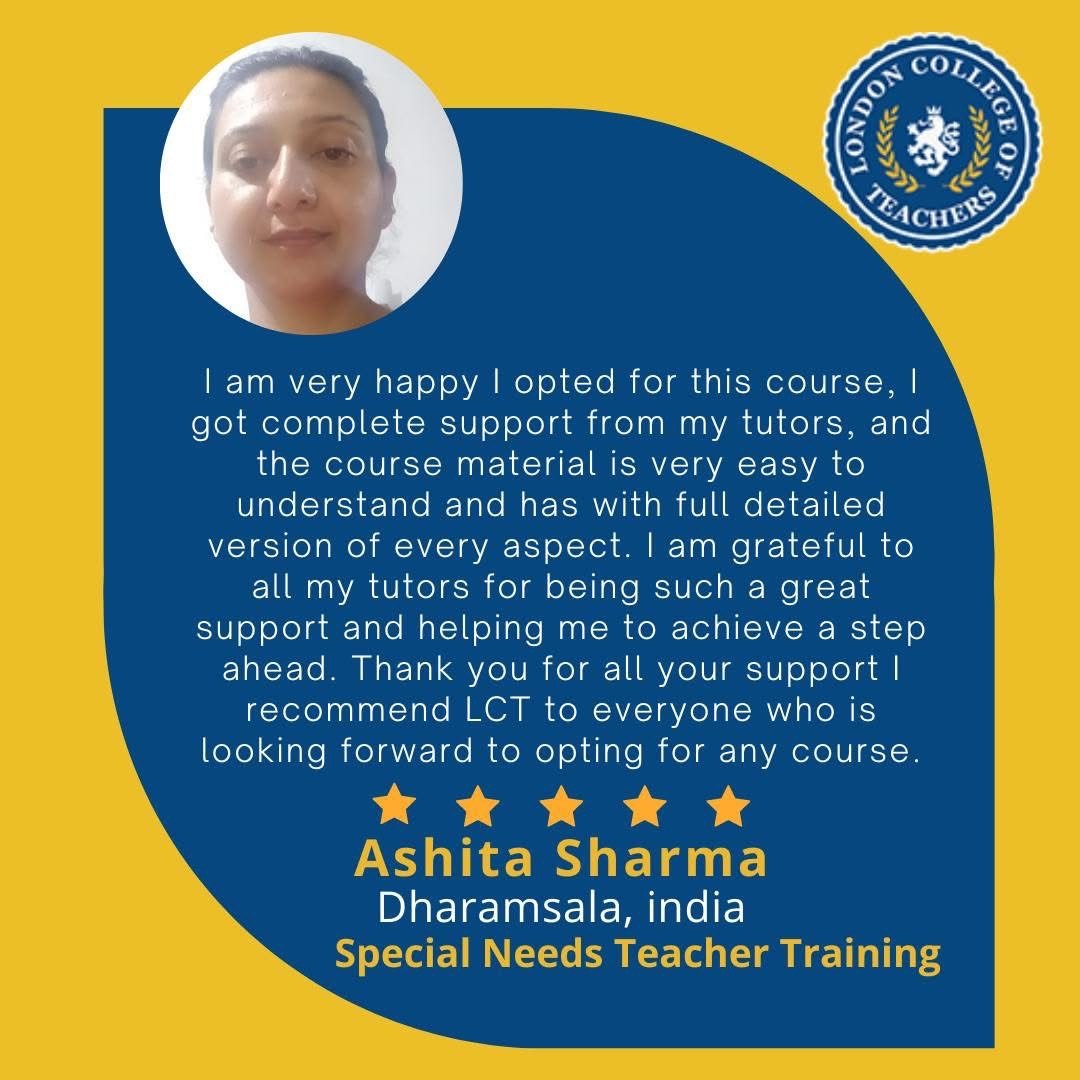
Career Pathways After Special Educational Needs Training
Completing special educational needs courses can lead to roles such as:
-
Special education teacher
-
Inclusion or SEN coordinator
-
Learning support teacher
-
Teaching assistant with SEN specialization
-
Early intervention educator
-
Support roles in NGOs and therapy centers
As inclusion policies expand worldwide, professionals trained in Special Educational Needs benefit from strong career stability and global mobility.